Butterflies Clipart Watercolor: A Practical Guide to Hand-Painted Digital Assets
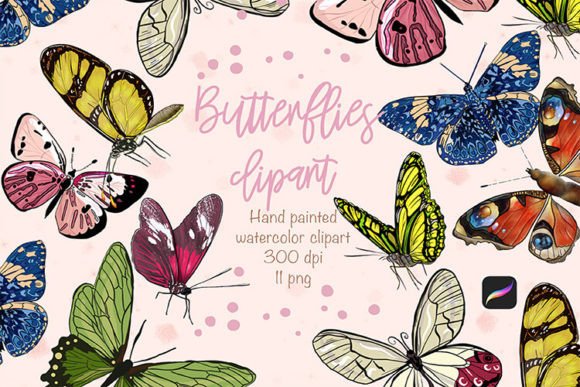
In the realm of digital design, the texture and authenticity of an image often determine its emotional impact. Butterflies Clipart Watercolor represents a specific niche where traditional artistic techniques meet modern digital utility. Unlike vector graphics that rely on mathematical precision or high-resolution photographs that capture reality, watercolor clipart offers a soft, organic aesthetic. This style is particularly valued for its ability to convey movement, fragility, and natural beauty without the rigid edges often found in standard digital illustrations.
For designers, planners, and artists using tools like Procreate, understanding the nuances of these assets is crucial. The distinction between a generic stock photo and hand-painted Butterflies Clipart Watercolor lies in the brushwork. Each piece typically features visible pigment variations, bleeding edges, and paper textures that mimic the physical medium. When integrated into templates, scrapbooks, or branding materials, these elements provide a layer of warmth that synthetic alternatives struggle to replicate.
Understanding the Distinctive Qualities of Watercolor Styles
The primary characteristic that sets Butterflies Clipart Watercolor apart from other graphic resources is its inherent unpredictability. In a vector format, a butterfly wing is defined by clean paths and solid fills. In a watercolor style, the definition is fluid. The pigment appears to settle into the "paper," creating gradients that fade naturally rather than abruptly. This quality makes the clipart exceptionally versatile for projects requiring a gentle, approachable, or vintage feel.
When evaluating digital assets, it is important to consider the source of the artwork. Many free resources available online are rasterized images with low resolution, leading to pixelation when scaled up. High-quality, hand-painted Butterflies Clipart Watercolor, however, is created at a high DPI (dots per inch) specifically for professional use. These assets maintain clarity even when enlarged for posters or large-format prints. Furthermore, because they are hand-painted, no two pieces are exactly identical, offering a unique touch that mass-produced vector libraries cannot match.
The aesthetic versatility of this style also allows it to blend seamlessly with various color palettes. Whether a project requires pastel tones for a baby shower invitation or bold, saturated hues for a summer festival poster, watercolor butterflies can adapt. The translucent nature of the paint layers allows designers to overlay text or other elements without creating visual clutter, a significant advantage over opaque clipart styles.
Comparing Digital Formats and Creation Tools
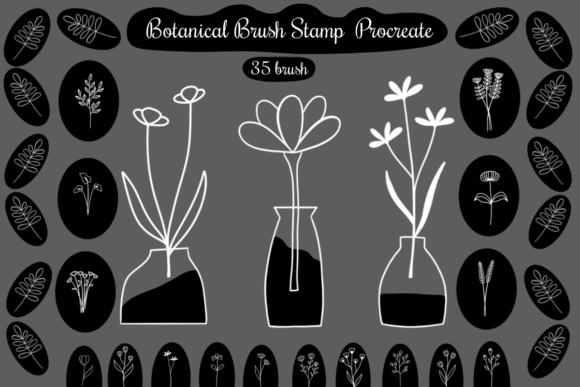
While the end result—a beautiful butterfly illustration—is the goal, the method of creation and the file format significantly influence usability. Butterflies Clipart Watercolor is often distributed as a PNG file with a transparent background, making it easy to drop into any design software. However, the rise of tablet-based art has introduced a new category: dynamic brush sets. Instead of just importing a finished image, artists can now use Procreate brushes to create their own custom watercolor butterflies in real-time.
This shift from static clipart to dynamic creation tools offers a different set of tradeoffs. Static clipart provides immediate results; you download the file and place it instantly. It is ideal for users who need speed and consistency across multiple designs. Conversely, using a Procreate brush set requires a learning curve. Users must understand pressure sensitivity, opacity settings, and blending modes to achieve the desired watercolor effect. While this demands more time and skill, it offers unlimited customization. You can alter the shape of the wings, change the color flow, and adjust the texture to fit a specific mood perfectly.
Another critical comparison involves the file formats used for installation. Traditional clipart comes in standard image formats (JPG, PNG), which are universally compatible. However, advanced creative workflows often utilize proprietary formats like the .brushset file. This format is specific to the Procreate app on iPad. It allows an entire collection of brushes—each mimicking a different watercolor technique—to be installed simultaneously. This efficiency streamlines the workflow for digital painters but limits the tool's accessibility to those with the specific hardware and software required.
Evaluating Hardware and Software Requirements
A major decision factor for anyone considering Butterflies Clipart Watercolor resources, particularly those involving Procreate brush sets, is the necessary technology stack. To utilize these advanced tools, a user must possess an iPad and the Procreate application. This requirement creates a barrier to entry for designers working exclusively on Windows PCs or MacBooks without tablets. For these users, static PNG clipart remains the only viable option unless they invest in cross-platform alternatives like Adobe Fresco or Clip Studio Paint.
Furthermore, software version compatibility is a technical detail that cannot be overlooked. The .brushset format, which simplifies the installation process by bundling multiple brushes, requires Procreate version 4.1 or higher. Users with older versions of the app will find themselves unable to import these files directly. This necessitates a check of the current software version before purchasing or downloading any brush packs. Keeping the application updated is not merely about bug fixes; it is essential for accessing the latest asset formats and features.
For those who do have the requisite hardware, the integration process is designed to be seamless. The modern workflow leverages cloud storage solutions like Dropbox to bridge the gap between desktop computers and mobile devices. By transferring the final .brushset file to a Dropbox folder, users can access it directly on their iPad. This eliminates the need for complex email attachments or USB cables, ensuring that the transition from computer to creative canvas is smooth and efficient.
Installation Workflow: From Computer to Canvas
Understanding the installation process is vital for maximizing the utility of these digital resources. For Mac users running macOS 10.11 or higher, the process is expedited through AirDrop. This feature allows for a direct transfer of the brush set from the computer to the iPad in a single step, bypassing intermediate folders. Once the file arrives on the iPad, the installation is nearly automatic.
For other users, the manual process via Dropbox follows a logical sequence:
- Transfer: Move the downloaded .brushset file from your computer to your designated Dropbox folder. Organizing these files into a specific subfolder, such as "Procreate Brushes," helps maintain order.
- Navigate: Open the Dropbox app on your iPad and locate the file within the chosen folder.
- Export: Tap the brush set file, select the ellipsis icon (...), and choose the "Export" option.
- Open In: Select "Copy to Procreate" from the list of available apps.
- Verify: Launch Procreate. The new brush set should appear at the top of the brush library, ready for immediate use.
This streamlined process ensures that once the initial setup is complete, the artist can focus entirely on creation. The availability of these tools transforms the iPad into a powerful studio capable of producing professional-grade watercolor effects without the mess of traditional paints.
Determining the Best Fit for Your Projects
Deciding whether to use pre-made Butterflies Clipart Watercolor or to invest time in mastering Procreate brush sets depends heavily on the scope and nature of the project. For quick-turnaround tasks, such as social media graphics, simple invitations, or blog post headers, static clipart is often the superior choice. It offers consistency and speed, allowing designers to assemble layouts rapidly without worrying about rendering times or brush calibration.
However, for projects demanding originality and bespoke design, such as book covers, album art, or high-end stationery, the ability to create custom watercolor effects is invaluable. Using a brush set allows the artist to manipulate the "butterfly" concept entirely. They can experiment with how the wings interact with the background, control the intensity of the wash, and integrate the subject matter organically into the composition. This level of control is impossible with static images, which may look pasted on if not carefully edited.
Additionally, consider the long-term value of the resource. A static clipart pack provides a finite number of images. Once you have used all the butterflies in the pack, you must purchase another to expand your library. In contrast, a well-crafted Procreate brush set is a generative tool. With one set of brushes, you can create thousands of unique butterfly illustrations, each with slight variations in color, shape, and texture. For professionals who require a steady stream of original content, the brush set offers a higher return on investment over time.
Limitations and Considerations
Despite their advantages, both options come with limitations. Static Butterflies Clipart Watercolor can sometimes suffer from a "stock" look if overused or if the lighting does not match the rest of the design. Because the image is fixed, adjusting it to fit a non-standard perspective or integrating it into a complex scene can be challenging without advanced masking skills.
On the other hand, the Procreate brush workflow has a steeper learning curve. Achieving a realistic watercolor effect requires practice. Beginners may struggle with controlling the flow of the digital paint, resulting in muddy colors or uneven textures. Moreover, the reliance on specific hardware means that collaboration can be difficult if team members do not share the same ecosystem. If a designer creates a masterpiece on an iPad, sharing the raw project file with a colleague on a PC is not straightforward, often requiring the export of flattened images.
Ultimately, the choice between pre-made clipart and dynamic brush sets is a balance between convenience and creativity. For those prioritizing speed and ease of use, high-quality PNGs remain a robust solution. For artists seeking total creative freedom and the ability to craft unique narratives through their work, the investment in Procreate and its brush ecosystems offers unparalleled potential. Understanding these tradeoffs ensures that the selected tool aligns with both the immediate project goals and the broader vision of the creator.